Table of contents

A cracked tooth is a common dental problem that can cause discomfort, sensitivity, and, if left untreated, more serious complications. Cracks can happen for many reasons, like biting hard sweets, grinding teeth, or experiencing an injury. Understandably, many people worry when they first notice a fracture.

Fortunately, most cracked teeth can be repaired, but the type of treatment needed depends on the extent of the damage. Acting quickly is vital, as early treatment can prevent the crack from worsening or leading to infection.

Today, we explain how dentists diagnose and treat cracked teeth, what symptoms to look out for, and how to prevent further damage.
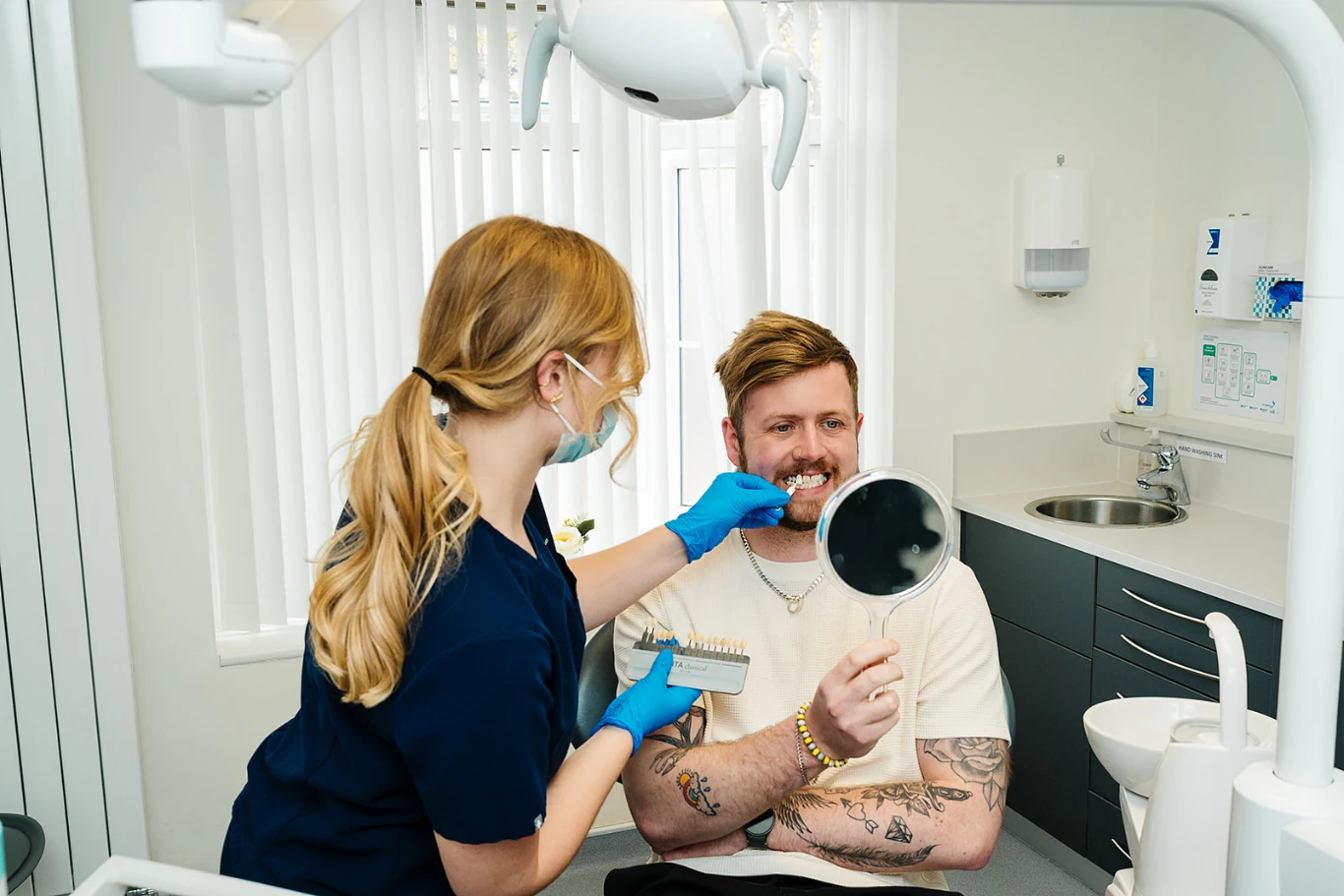
Dental patient testing veneer shades at Toftwood Dental Practice

Symptoms of a Cracked Tooth

Not all cracked teeth are immediately visible. Common signs of tooth damage include pain when chewing, sensitivity to hot or cold foods, and discomfort that comes and goes. A cracked tooth may show one or more of the following symptoms:

  • Sharp pain when biting or chewing
  • Sensitivity to temperature or sweet foods
  • Swelling around the affected tooth
  • Intermittent pain rather than constant pain
  • A visible line or fracture on the tooth
  • Pain when releasing pressure after biting

If you notice these symptoms, especially after biting something hard, you should book a dental appointment as soon as possible.

Have a Cracked Tooth?

Book an appointment with Toftwood Dental today and let our team assess and treat your cracked tooth.

Can a Dentist Fix a Cracked Tooth?

Yes. Dentists can fix most cracked teeth using restorative treatments that repair or protect the tooth. The specific treatment depends on the cause, location, and severity of the crack.

A dentist will typically begin with:

  • A visual examination
  • A dental X-ray to assess internal damage
  • A bite test to determine the extent of the fracture
  • A sensitivity assessment

Early treatment is key. Delayed care increases the risk of infection or tooth loss. For patients in Norfolk looking for a reliable practice, Toftwood Dental provides comprehensive restorative dentistry, including dental implants in Dereham.

If you suspect you have cracked a tooth, contact Toftwood Dental today to arrange an assessment and protect your oral health.

Tips on Preventing a Tooth from Cracking

You can reduce the risk of cracked teeth by adopting simple preventive habits:

  • Avoid chewing hard items like ice, unpopped popcorn kernels, or pen caps
  • Wear a mouthguard if you grind your teeth at night
  • Use a protective sports mouthguard for contact sports
  • Maintain regular dental check-ups
  • Brush with fluoride toothpaste and follow good oral hygiene routines
  • Avoid sudden temperature changes, such as biting ice after drinking something hot
  • Treat cavities early to prevent weakened enamel

Following these steps helps protect your teeth and reduces the likelihood of future fractures.

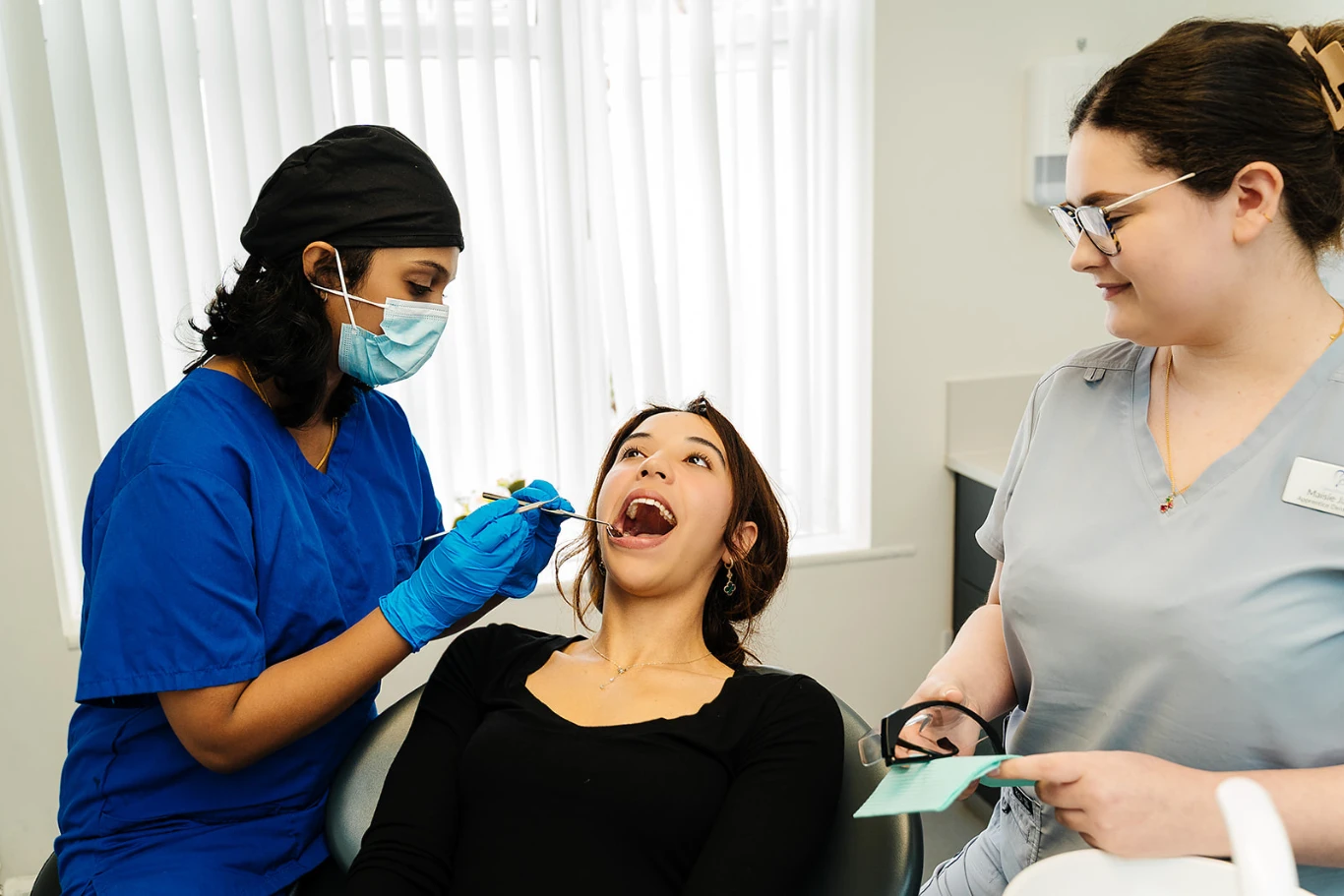
Dental patient during a dental check up for a Crocked Tooth at Toftwood Dental Practice

Book An Appointment

Use the form below and a member of our reception team will be in touch as soon as possible or call us during our opening hours.

Your details
Product interest
Content Block
  • This field is hidden when viewing the form

Speak to our friendly team today by calling 01362 699342.

You can also email info@toftwooddentalpractice.co.uk and we’ll get back to you as soon as we can.

Cracked Tooth FAQs

This content is for informational purposes only. Consult a professional for personal advice.

Can a cracked tooth repair itself?

No. According to the NHS, teeth do not heal themselves. While enamel cannot regenerate, early dental treatment can prevent further damage.

How much does it cost to fix a cracked tooth?

Costs vary depending on the treatment required—for example, bonding is usually cheaper than crowns or root canal therapy. Your dentist will provide a tailored estimate after examining the tooth.

How long does it take to fix a cracked tooth?

Minor cracks may be repaired in a single visit. Crowns and root canals may take multiple appointments, depending on complexity.

Can a cracked tooth cause dizziness?

Not directly, but severe dental infections may cause referred symptoms or general unwellness. Always seek a dental review if symptoms persist.

Can a cracked tooth cause an infection?

Yes. If bacteria enter the crack, it can infect the pulp, leading to pain, swelling, and the need for root canal therapy.